King
A Design for Branding and Business Use
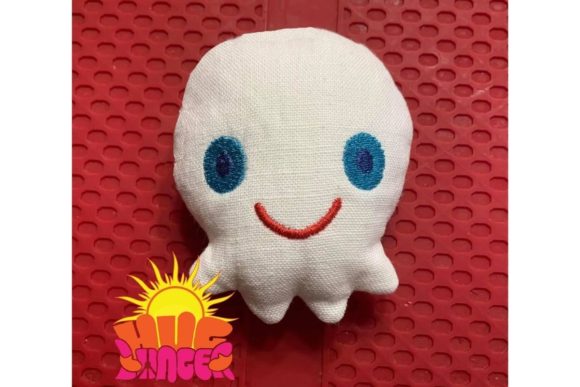
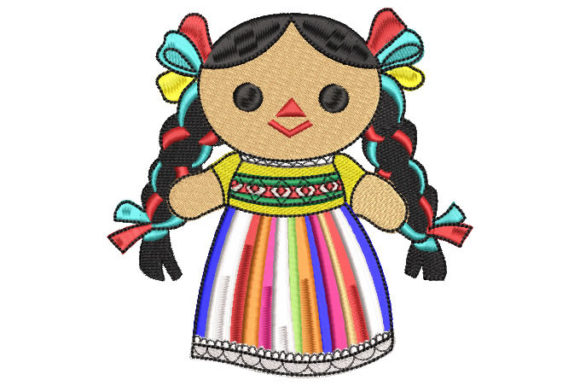
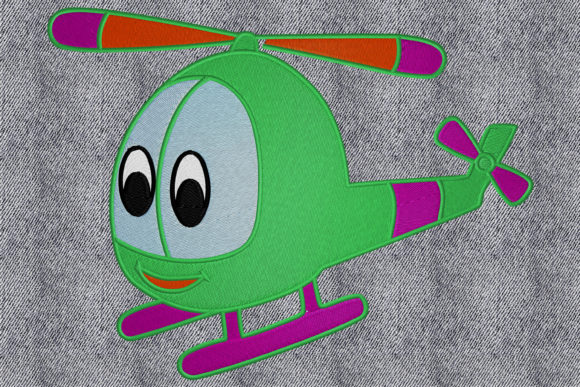
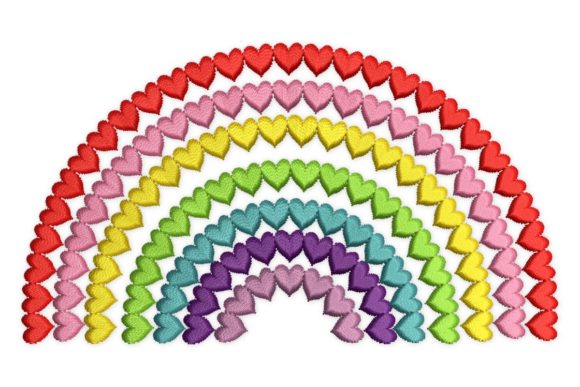
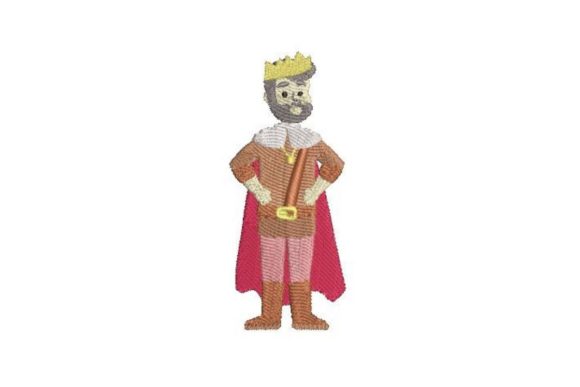
As an experienced embroidery designer, I’ve reviewed countless machine embroidery designs for small business use. The King design stands out not just for its visual appeal but for its versatility in commercial applications. Whether you're looking to create branded patches, custom apparel, or unique merchandise, King offers a blend of charm and functionality that aligns well with the needs of small businesses.
First Impression: Friendly and Approachable
The first thing that catches my eye is the friendly and playful nature of King. It feels like a design that can easily transition from a personal project to a professional one. The overall aesthetic is warm and inviting, making it suitable for a wide range of industries—from cafes and boutiques to handmade shops and pet brands.
Real Business Use Cases
King is a versatile design that can be used across multiple product types. Here are some real-world applications:
- Embroidered Patches: Perfect for adding a touch of personality to branded merchandise or as customer gifts.
- Staff Uniforms: A great choice for adding a logo or signature element to workwear.
- Apron Embroidery: Adds a charming detail to functional items while maintaining brand visibility.
- Cap Embroidery: Ideal for creating branded caps for events, local businesses, or customer appreciation items.
- Tote Bag Design: Offers a subtle yet effective branding opportunity on promotional bags.
- Product Packaging Accents: Enhances the visual appeal of packaging without being overpowering.
- Custom Apparel: Works well on shirts, jackets, and other clothing items for boutique or craft businesses.
With its clean lines and balanced composition, King can complement both modern and classic brand identities, offering a strong visual anchor for your small business merch.
Considerations for Commercial Use
While King is a great design, there are certain areas where it should be used with care:
- Small Patch Sizes: The design may appear too large on tiny patches, so scaling down could affect legibility.
- Cap Fronts: The curved surface of caps might distort the design slightly, requiring careful placement and testing.
- Tiny Lettering: If the design includes text, ensure that the font size remains readable at smaller scales.
- High Stitch Density: This design may require more stitches, which could impact production time and cost.
- Detailed Outlines: The intricate details may not translate well on textured fabrics or dark uniforms.
- Fabric Texture: Always test on the actual fabric you plan to use, as different materials can affect the final look.
- Dark Uniforms: Consider thread color contrast to ensure visibility on darker backgrounds.
- Frequent Washing: Choose durable threads and proper stabilizers to maintain quality over time.
As an embroidery designer, I recommend testing the design in black and white before proceeding to full color to assess how it looks on different surfaces and under various lighting conditions.
Impact on Brand Identity and Customer Trust
The right embroidery design can significantly influence brand identity and customer trust. King offers a friendly and approachable presence that can help build a stronger connection between your brand and your audience. Its simplicity and charm make it ideal for fostering buyer engagement, especially in the handmade and craft sectors.
When used consistently across different products—such as custom apparel, product packaging, and branded merchandise—King helps reinforce visual consistency and professionalism. It's a great tool for small businesses looking to establish a recognizable and trustworthy brand presence.
Practical Designer Notes
Before going into production, consider these practical tips:
- Test in Black and White: Assess the design’s structure and clarity without color interference.
- Check Small Patch Size: Ensure the design scales down well without losing key elements.
- Review Thread Color Contrast: Choose colors that stand out against the background fabric.
- Inspect Spacing: Make sure there's enough room between elements for a clean finish.
- Confirm Hoop Size: Verify that the design fits within your embroidery hoop dimensions.
- Test on Real Fabric: Always do a trial run to ensure the final look matches expectations.
- Use Proper Stabilizer: Select the right type of stabilizer to prevent puckering or distortion.
- Create a Mockup: Provide clients with a printable mockup for approval before mass production.
- Compare with Other Assets: Ensure King aligns with your existing design assets and brand guidelines.
- Confirm Commercial Licensing: Always verify that the design is licensed for commercial use before starting any bulk orders.
Conclusion
King is a promising machine embroidery design that has the potential to enhance a variety of small business merch and custom apparel projects. With its friendly and approachable style, it's well-suited for businesses aiming to build a strong brand identity through thoughtful and consistent design choices.
Whether you're creating embroidered patches, cap designs, tote bag accents, or apron details, King offers a reliable and versatile option. Just remember to test thoroughly, consider your target application, and ensure that the design aligns with your overall brand strategy. With the right preparation and execution, King can become a valuable asset in your commercial embroidery toolkit.